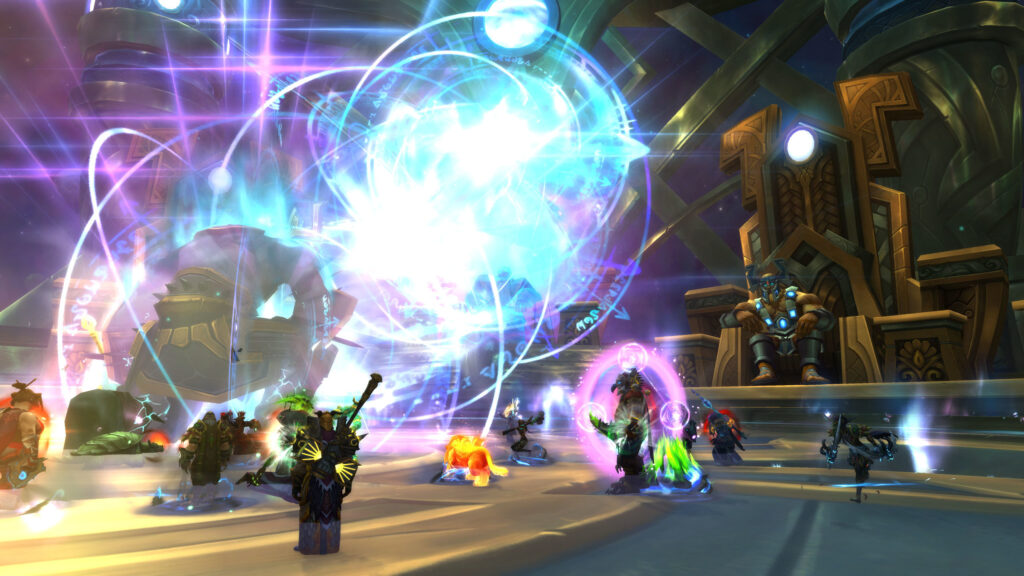
As raid difficulty increases, mechanical execution and gear optimization stop being the primary limiting factors. Instead, communication emerges as the true bottleneck. High difficulty encounters demand fast, clear, and disciplined information flow. When communication breaks down, even well-prepared teams struggle to convert potential into progress.
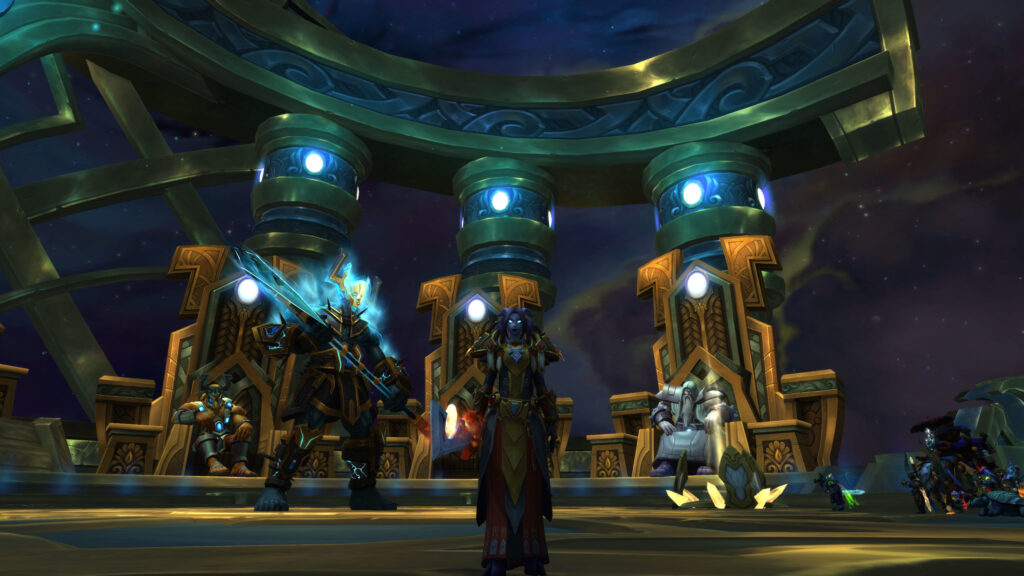
Information Timing Matters More Than Volume
Successful raid communication is not about talking more, but about saying the right thing at the right moment. Late calls often arrive after decisions are already made, while excessive chatter hides critical signals. High-level teams refine communication to short, purposeful cues that guide action without distraction.
Role-Based Callouts Reduce Cognitive Load
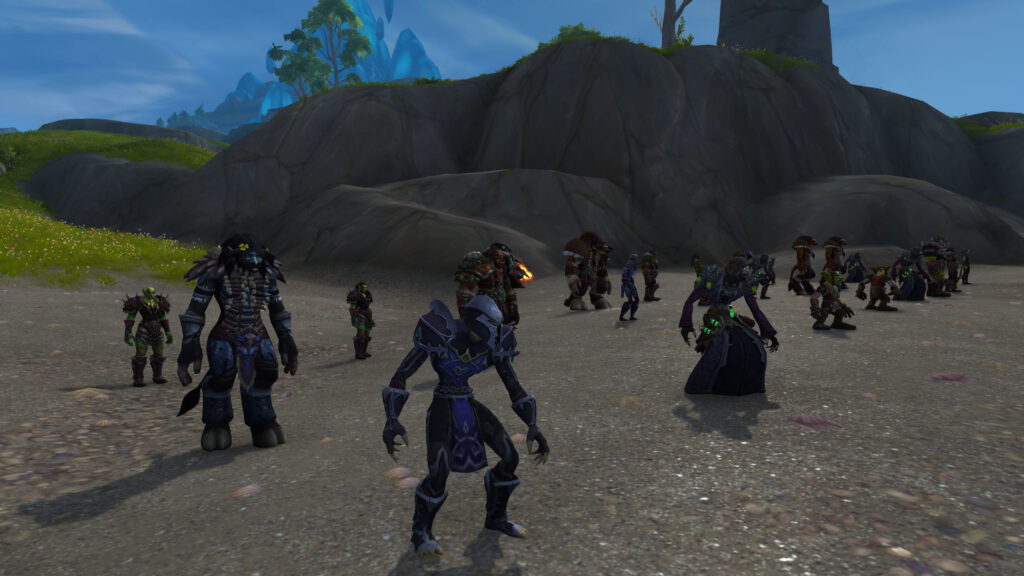
Clear ownership of callouts streamlines execution. When specific players are responsible for tracking mechanics, cooldowns, or phase transitions, everyone else can focus on their own tasks. This structure prevents overlapping calls and reduces hesitation during high-pressure moments.
Miscommunication Causes Cascading Failures
One unclear or missed call can ripple through an encounter. A delayed defensive, a mistimed movement, or a missed assignment often leads to chain reactions that end pulls abruptly. High difficulty content leaves little margin to recover from communication errors.
| Communication Element | Common Failure | Raid Impact |
|---|---|---|
| Cooldown calls | Late or unclear timing | Preventable deaths |
| Movement cues | Overlapping instructions | Positional chaos |
| Phase transitions | Missed announcements | Lost coordination |
| Emergency calls | Panic chatter | Decision paralysis |
Communication Quality Scales With Difficulty
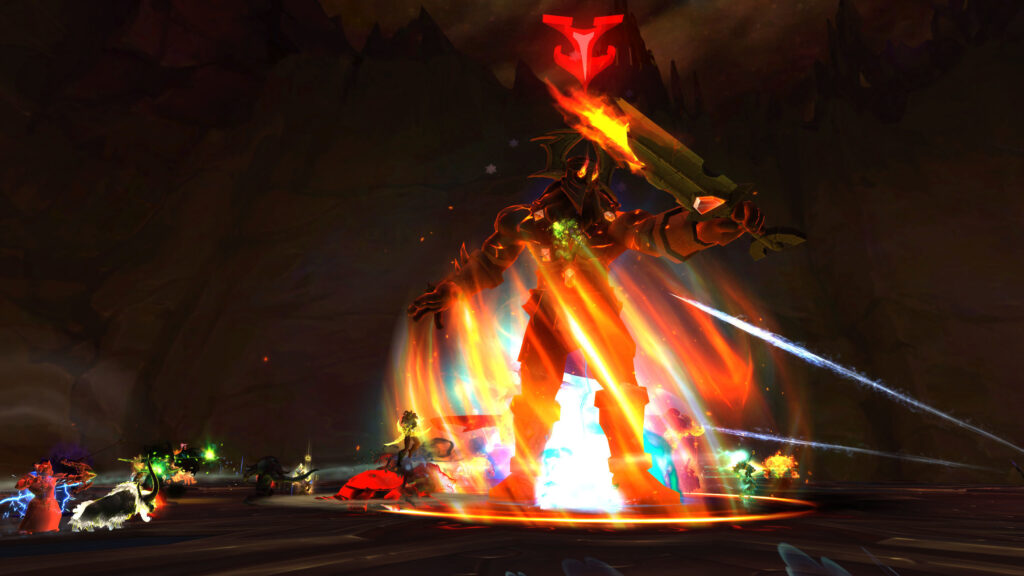
The harder the content, the more communication quality matters. Clean execution relies on shared understanding rather than improvisation. Teams that invest time into refining how they communicate progress faster than those who only focus on mechanical practice.
Conclusion
Raid team communication has become the true bottleneck in high difficulty content. Clear ownership, precise timing, and disciplined callouts separate consistent progression from repeated failure. At the highest level, how teams talk determines how far they go.