
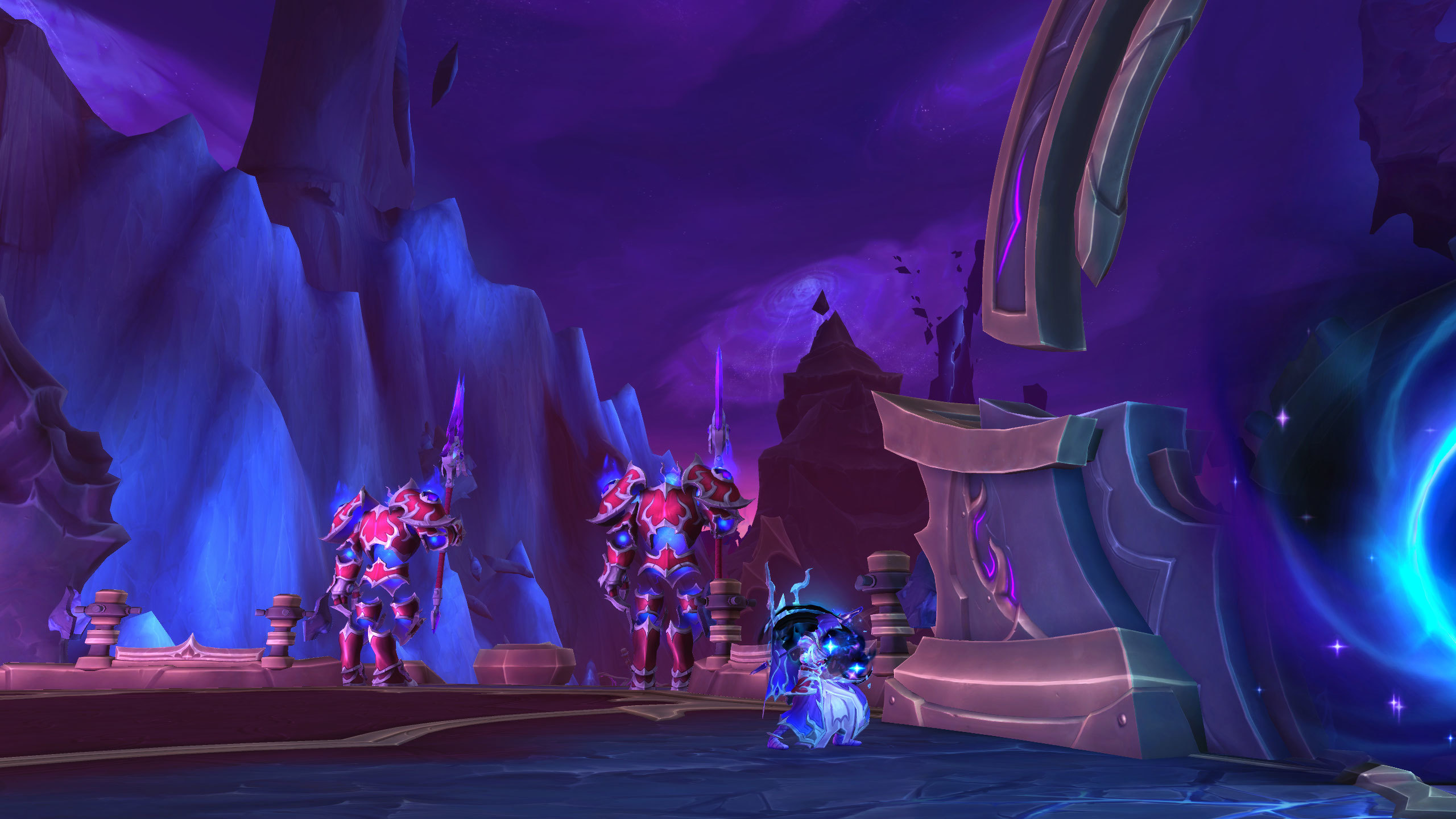
Roleplay (RP) servers are a fascinating anomaly in World of Warcraft. While most of the community plays the game as a series of combat mechanics, RP players use the game engine as a set for improvisational theater. They don’t care about the highest gear score; they care about their character’s personality, history, and relationships. This guide looks at the “Mirror World” created by RP servers, explaining how these players have turned Azeroth into a deep, persistent narrative playground.
Azeroth as a Stage
On an RP server, a tavern isn’t just a place to log out; it’s a social club. A city street isn’t just a path to the auction house; it’s a scene for political intrigue or personal gossip. These players use the game’s tools—emotes, custom nameplates, and transmog—to build a persistent narrative. They have created their own “server culture” that exists entirely independent of Blizzard’s main storyline. They don’t wait for a patch to “write” their adventures; they write them every single day. This is the ultimate form of “emergent gameplay,” where the users take total control of the narrative direction.
This creates a version of WoW that is fundamentally different from the standard experience. On a normal server, players might rush past each other to get to the next objective. On an RP server, players stop and *acknowledge* each other. They use the game’s emote system to communicate, bowing, nodding, or chatting in character. This turns the environment into a place of social etiquette and theater. It’s a slower, more deliberate way of playing that values the *who* over the *what*. They are playing a completely different game—a social simulator built on top of a combat engine—and for them, it is the only way Azeroth should be experienced.
The RP Difference
| Standard Server | Roleplay Server |
|---|---|
| Goal: Efficiency | Goal: Character Expression |
| Value: Item Level | Value: Character Depth |
| Communication: Functional | Communication: Performative |
| World: Combat Arena | World: Theater Stage |
The Resilience of the Community
RP communities have survived for years because they foster a sense of creative freedom. They don’t rely on raid gear to feel “successful”; they feel successful when they craft a great story with another player. This makes them immune to the “burnout” that usually comes with patch cycles and gear grinds. As long as there are people willing to play along and a virtual space to hold the scene, the RP server remains a vibrant, evolving version of World of Warcraft that offers a depth of social engagement the developers couldn’t build if they tried.